
Snoring & Sleep Apnea
Regain control of your sleep and life with effective, non-invasive solutions for snoring and obstructive sleep apnea.

Custom Oral Appliance Therapy for Restorative Sleep
Obstructive Sleep Apnea (OSA) occurs when the airway becomes blocked by relaxing soft tissues, leading to disrupted breathing and chronic fatigue. At Whitestone Dental, Dr. Timothy Matthews offers a sophisticated alternative to bulky CPAP machines and invasive surgery. Our custom-fitted oral appliances work like a specialized retainer, gently positioning the lower jaw forward to keep the airway open throughout the night. This simple yet effective solution allows for natural breathing, eliminating the need for masks or hoses while protecting your long-term health from risks like hypertension and heart disease.
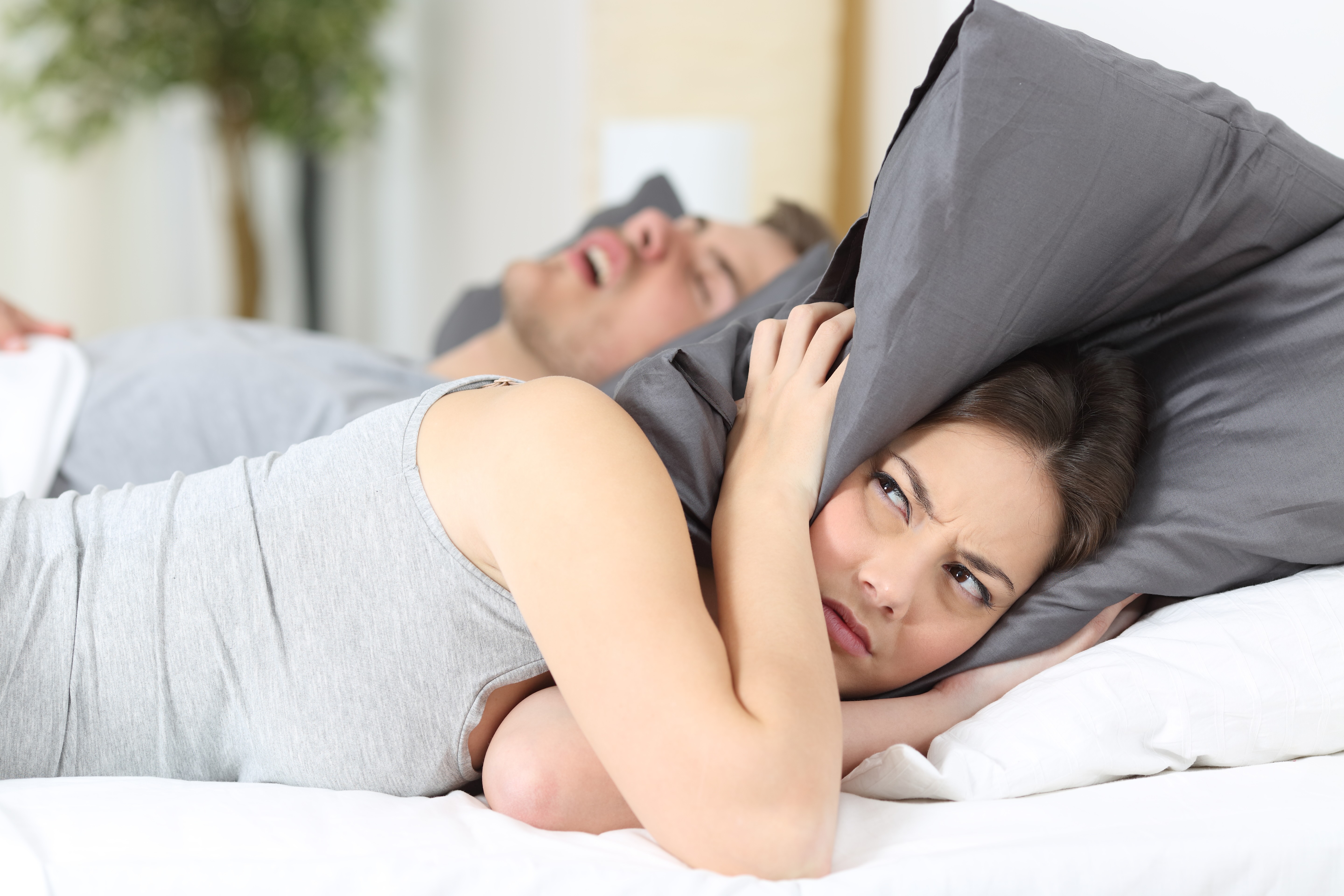
Snoring & Sleep Apnea
Improved Airflow and Breathing
The appliance prevents the tongue and soft tissues from collapsing, ensuring a clear path for oxygen and reducing instances of gasping or interrupted breath.
Comfortable and Non-Invasive
Custom-molded to your unique dental anatomy, these appliances offer a comfortable fit without the noise, irritation, or restriction of traditional sleep apnea masks.
Enhanced Sleep Quality
By significantly reducing snoring and breathing interruptions, you and your partner can enjoy quieter, more restful nights and wake up feeling truly refreshed.
Travel-Friendly Convenience
Compact and portable, our sleep apnea mouthguards are easy to use and carry, making them the perfect solution for patients who are frequently on the move.
Questions
Find answers to common concerns about whitening treatments and what to expect.
Key indicators include loud snoring, gasping for air during sleep, waking up with a dry or sore throat, morning headaches, and excessive daytime fatigue.
The appliance gently shifts the lower jaw forward, creating enough space to prevent the tongue from blocking the airway and allowing for easier breathing.
For many patients with mild to moderate OSA, an oral appliance is preferred because it is quieter, more comfortable, and does not require electricity or bulky hoses.
While most patients feel a positive difference within just a few nights, it typically takes a few days to become fully accustomed to the feel of the nightguard.
If left unaddressed, OSA puts vital organs on overdrive, significantly increasing the risk of diabetes, stroke, depression, and heart disease.

Ready for change?
Start today
Book your consultation with Dr. Timothy Matthews and experience our warm, family-friendly atmosphere that sets us apart.